Key Takeaways
- Women-owned businesses represented nearly half of all new startups in the U.S. as of 2024, up from 30% in 2019, totaling 12.3 million firms employing 10.7 million Americans and contributing trillions to the economy.
- Despite this growth, women face major financing barriers—they’re more likely to self-fund, less likely to apply for loans or credit, and often raise significantly less than men when they do seek capital.
- The gender funding gap stems from structural bias and financing dynamics—women are often asked risk‑averse (“prevention”) questions and perceived as lower growth prospects, which compounds limited access to capital over time.
- SBA loan programs, especially the 7(a) loan, help close this gap by providing federal guarantees (typically 75–85%) that encourage lenders to approve loans for borrowers with less collateral or credit history.
- NEWITY’s SBA 7(a) program advances this goal with flexible use of funds, no down payment, competitive rates, longer repayment terms, and a fast online prequalification process
Women-owned businesses are fueling America’s economic growth like never before.
In 2019, women started nearly 30% of new businesses. In 2024, that increased to nearly half of all new businesses.
Today, there are 12.3 million women-owned businesses across the U.S., employing more than 10.7 million Americans and generating trillions in revenue.
Yet, despite their success, many female founders still encounter challenges when securing financing.
This is where small business loan programs designed with accessibility in mind make a difference.
In 2019, women started nearly 30% of new businesses. In 2024, that increased to nearly half of all new businesses.
Today, there are 12.3 million women-owned businesses across the U.S., employing more than 10.7 million Americans and generating trillions in revenue.
Yet, despite their success, many female founders still encounter challenges when securing financing.
This is where small business loan programs designed with accessibility in mind make a difference.
The Small Business Gender Gap
Women are now starting close to half of new businesses in some recent datasets, but they still access external capital very differently than men and on much smaller scales.
Surveys of aspiring founders show that women are significantly more likely to rely on personal savings and less likely to plan on small business loans or business credit, even when they have viable ideas.
That hesitation to tap formal financing means many women‑owned firms start lean, stay smaller, and grow more slowly, not because the businesses are weaker, but because they’re under-capitalized from day one.
Under the surface, the gap isn’t just about approvals; it’s about who even enters the funding pipeline.
Nearly half of aspiring women founders say that lack of money is the single biggest barrier to starting a business, and a notable share report they’ve never applied for funding, at roughly double the rate of men.
That combination— seeing capital as the main obstacle, but also staying away from traditional funding channels— means fewer women pitch banks, accelerators, or investors in the first place.
When they do, research on crowdfunding and early‑stage finance finds that women raise less. One recent analysis shows men raise over $130,000 more on average than women in comparable crowdfunding campaigns, with a median gap over $40,000.
Those smaller checks compound over time, limiting hiring, marketing, and the ability to weather shocks.
Bias and structural factors both play a role.
Experimental studies and investor research find that women are more likely to be asked prevention‑focused questions— “How will you avoid losses?” rather than growth‑focused ones, like “How will you scale this?”— and that a large share of the funding gap can be traced to how decision‑makers perceive the growth potential of women‑led ventures.
It is for these reasons that funding accessibility programs are so important; they correct for systemic frictions that prevent capital from flowing to viable, productive businesses.
Surveys of aspiring founders show that women are significantly more likely to rely on personal savings and less likely to plan on small business loans or business credit, even when they have viable ideas.
That hesitation to tap formal financing means many women‑owned firms start lean, stay smaller, and grow more slowly, not because the businesses are weaker, but because they’re under-capitalized from day one.
Under the surface, the gap isn’t just about approvals; it’s about who even enters the funding pipeline.
Nearly half of aspiring women founders say that lack of money is the single biggest barrier to starting a business, and a notable share report they’ve never applied for funding, at roughly double the rate of men.
That combination— seeing capital as the main obstacle, but also staying away from traditional funding channels— means fewer women pitch banks, accelerators, or investors in the first place.
When they do, research on crowdfunding and early‑stage finance finds that women raise less. One recent analysis shows men raise over $130,000 more on average than women in comparable crowdfunding campaigns, with a median gap over $40,000.
Those smaller checks compound over time, limiting hiring, marketing, and the ability to weather shocks.
Bias and structural factors both play a role.
Experimental studies and investor research find that women are more likely to be asked prevention‑focused questions— “How will you avoid losses?” rather than growth‑focused ones, like “How will you scale this?”— and that a large share of the funding gap can be traced to how decision‑makers perceive the growth potential of women‑led ventures.
It is for these reasons that funding accessibility programs are so important; they correct for systemic frictions that prevent capital from flowing to viable, productive businesses.
How SBA Loan Programs Support Women Entrepreneurs
The Small Business Administration (SBA) plays a key role in narrowing the financing gap for women-owned businesses.
Through the SBA 7(a) loan program, lenders can provide affordable, flexible funding that helps entrepreneurs start, stabilize, and scale their operations.
The SBA achieves this accessibility by providing “guarantees” on certain loans funded by banks.
These guarantees are essentially a promise from the federal government to repay a big portion of a small business loan if the borrower defaults, usually 75–85% of the principal on standard 7(a) loans.
By taking on most of the risk, the SBA makes banks more willing to approve loans and offer longer terms and better rates than they would for the same borrower on an unguaranteed, purely conventional loan.
This makes it easier for lenders to approve borrowers who don’t fit the traditional mold—less collateral, shorter credit history, smaller average loan size— where women are over‑represented due the aforementioned trends.
Accessibility is the SBA’s founding principle and the core driver.
Through the SBA 7(a) loan program, lenders can provide affordable, flexible funding that helps entrepreneurs start, stabilize, and scale their operations.
The SBA achieves this accessibility by providing “guarantees” on certain loans funded by banks.
These guarantees are essentially a promise from the federal government to repay a big portion of a small business loan if the borrower defaults, usually 75–85% of the principal on standard 7(a) loans.
By taking on most of the risk, the SBA makes banks more willing to approve loans and offer longer terms and better rates than they would for the same borrower on an unguaranteed, purely conventional loan.
This makes it easier for lenders to approve borrowers who don’t fit the traditional mold—less collateral, shorter credit history, smaller average loan size— where women are over‑represented due the aforementioned trends.
Accessibility is the SBA’s founding principle and the core driver.
The SBA 7(a) Advantage With NEWITY
At NEWITY, we’re dedicated to making funding more accessible to underserved business owners, including the women entrepreneurs who are driving innovation across every industry.
Our SBA 7(a) loan program offers affordable financing options tailored for growth and sustainability.
Here’s why more women choose to fund their businesses through NEWITY’s SBA 7(a) program:
Our SBA 7(a) loan program offers affordable financing options tailored for growth and sustainability.
Here’s why more women choose to fund their businesses through NEWITY’s SBA 7(a) program:
- Flexible use of funds: Apply your loan toward working capital, refinancing debt, or just to bridge slow seasons.
- No down payments required: NEWITY doesn’t require down payments on SBA 7(a) loans, so you can access the capital you need without worrying about an up-front payment.
- Longer repayment terms: Extended timelines help stabilize cash flow and reduce monthly financial pressure.
- Competitive interest rates: SBA-backed rates are typically lower than those of most traditional business loans, and the SBA sets interest rate caps to keep 7(a) loans affordable— through NEWITY, your interest rate will not exceed WSJ Prime Rate + 3.75%.
Fast, Simple, and Empowering Financing
Through NEWITY, women-owned businesses can access up to $350,000 in SBA 7(a) funding.
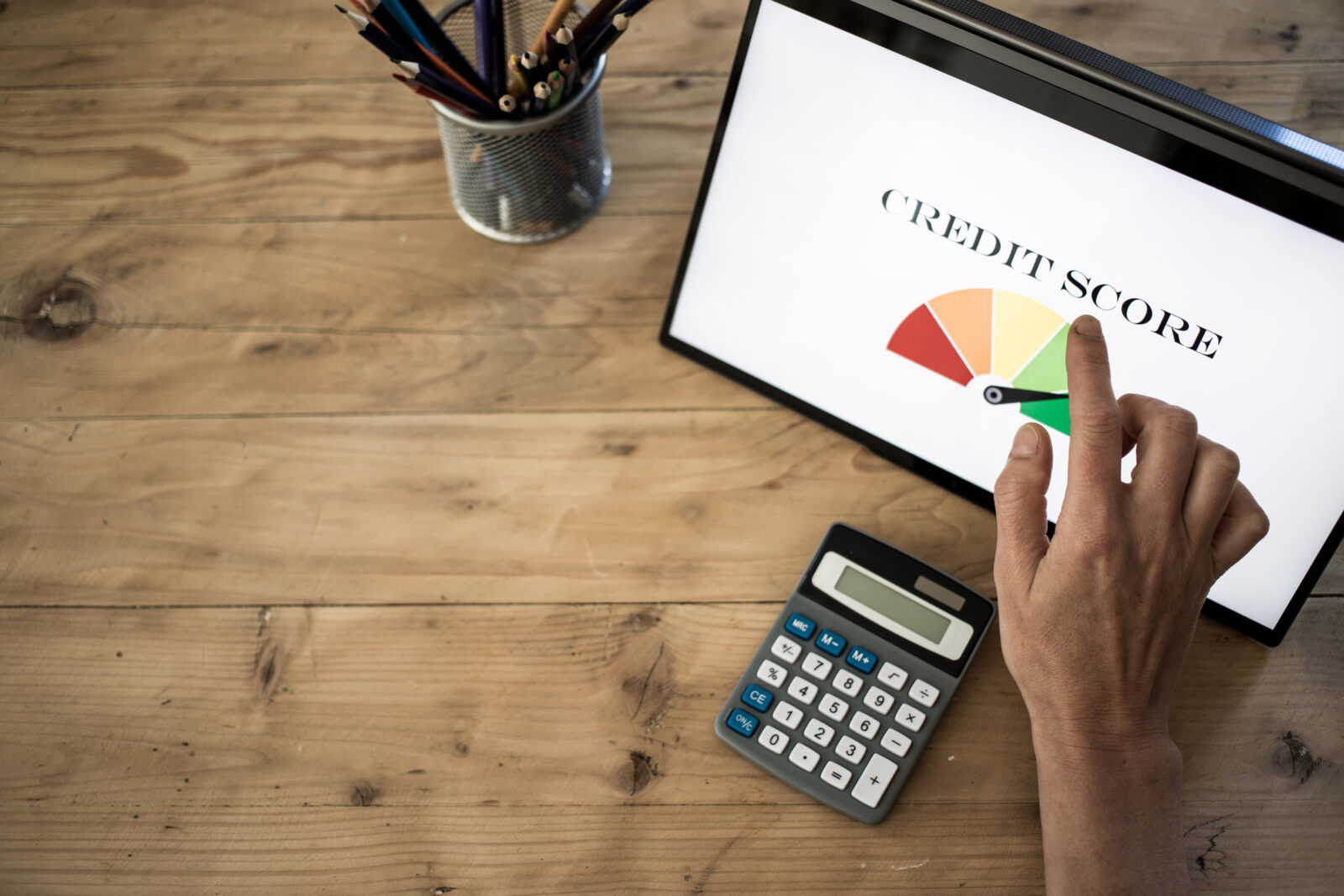
Our streamlined digital platform allows you to discover your eligibility in less than 10 minutes, with no impact to your credit score during the prequalification process.
When entrepreneurs thrive, so do their communities.
At NEWITY, we’re proud to help more women access the capital they need to turn bold ideas into lasting businesses.
Our streamlined digital platform allows you to discover your eligibility in less than 10 minutes, with no impact to your credit score during the prequalification process.
When entrepreneurs thrive, so do their communities.
At NEWITY, we’re proud to help more women access the capital they need to turn bold ideas into lasting businesses.
Interested In Applying?
Find out how much you could qualify for in just 10 minutes, with no commitment required.